

Best Plushies for Anxiety: Can a Cuddly Friend Help You Feel Calmer?
Best Plushies for Anxiety: How a Soft Friend Can Bring Everyday Comfort
Anxiety can make even an ordinary day feel a little too loud. A plushie will not magically solve everything, but the right cuddly companion can make your quiet moments feel softer, safer and much less lonely.

Let us start with something important: loving plushies is not childish. Comfort does not have an age limit.
For some people, a plushie is simply something cute to decorate the bed. For others, it becomes the friend they reach for after a stressful shift, during an anxious evening, while travelling somewhere unfamiliar or when their thoughts refuse to switch off at night.
The best plushie for anxiety is not necessarily the most expensive one or the biggest one. It is the plushie that feels comforting to you: soft enough to stroke, huggable enough to squeeze and familiar enough to become part of your daily wind-down routine.
Can plushies really help with anxiety?
Plushies are not a treatment for an anxiety disorder, but they can be useful comfort objects. Holding something soft may give your hands a simple sensory focus, while hugging a larger plushie can create a cosy feeling of physical closeness.
There is also something reassuring about familiarity. When the same plushie sits beside you during bedtime, film nights, study sessions or difficult moments, your brain may begin to associate it with rest and safety. It becomes a small signal that says, “We are slowing down now.”
Think of a comfort plushie as part of your calm-down toolkit. It can sit alongside slow breathing, relaxing music, a warm shower, journalling, talking to someone you trust or professional mental health support.
Soft toys can be especially comforting because they are wonderfully uncomplicated. They do not need an explanation. They do not judge a messy day. They are simply there when you need a cuddle.
The best types of plushies for anxiety and everyday comfort
There is no single perfect design for everyone. Some people love a tiny plushie they can keep in a bag, while others want a giant snuggle buddy that feels almost like a body pillow. Here are the main types to consider.
1. Long snuggle plushies
Long plushies are ideal for full-body cuddles. You can wrap your arms around them, rest one between your knees or use one as a soft companion while reading in bed.
Best for: bedtime, side sleepers, sofa cuddles and people who like a larger hug.
2. Oversized plushie pillows
A super-sized plushie can help make a bedroom or reading corner feel more inviting. The generous size gives you plenty to lean against or squeeze after a long day.
Best for: cosy bedrooms, film nights, resting and anyone who believes bigger cuddles are better.
3. Small travel companions
A smaller plushie can quietly travel in a handbag, backpack or overnight case. Familiar comfort can be particularly welcome during flights, hospital visits or nights away from home.
Best for: travel, university, work desks and discreet on-the-go comfort.
4. Extra-soft sensory plushies
If touch helps you settle, look for a smooth outer fabric and a squishy filling. Repetitive stroking, squeezing or gently holding the plushie may feel grounding during restless moments.
Best for: sensory comfort, fidgety hands and quiet relaxation.
How to choose your perfect anxiety plushie
The best choice is the one you will genuinely want to pick up and cuddle. Instead of focusing only on what looks cute on a product page, imagine how the plushie will fit into your real life.
Choose a size that matches how you want to use it
A small plushie is easy to carry and keep nearby. A medium plushie is versatile for desk, sofa and bed. A long or oversized plushie gives you more to wrap your body around and can double as a soft pillow.
Pay attention to texture
Texture matters more than people expect. Some prefer velvety-smooth fabric, while others love fluffy fur. A texture you enjoy touching makes the plushie more likely to become part of your calming routine.
Pick a character that makes you smile
There is no scientific formula for choosing between a capybara, dinosaur, dragon, bunny or sleepy cat. The right character is often the one that creates an instant little spark of joy.
Look for supportive, squishy filling
A good cuddle plushie should feel soft without immediately collapsing into nothing. Kawaiies plushies use soft PP cotton filling designed to create that squeezable, sink-into-it feeling customers love.
Check the care instructions
Comfort objects tend to be well loved, so easy care is useful. Always follow the individual product label and washing instructions to help protect the fabric, shape and stitching.
- Do I want to carry it around or keep it at home?
- Would I prefer a small hand-held plushie or a full-body cuddle?
- Does the texture look soothing to touch?
- Does the character make me feel happy or relaxed?
- Will it fit comfortably on my bed, sofa or chair?
How to build a calming routine with your plushie
A plushie becomes even more comforting when you connect it with simple habits that tell your body it is time to slow down.
Try the “three-minute cuddle reset”
Sit somewhere comfortable and hold your plushie close. Let your shoulders drop. Breathe in slowly, then breathe out a little longer than you breathed in. Notice the softness, weight and temperature of the plushie rather than trying to fight every anxious thought.
Create a gentle bedtime signal
Place your plushie on the bed while you dim the lights, put your phone away and settle down. Repeating the same sequence can make bedtime feel more predictable, especially after overstimulating days.
Use it during stressful screen time
Emails, study sessions and doom scrolling can make your whole body tense without you noticing. Keeping a plushie on your lap or beside your keyboard can act as a cute reminder to unclench your jaw, relax your hands and take a proper break.
Bring familiar comfort when travelling
New rooms and unfamiliar sounds can make sleep difficult. Taking a favourite plushie with you brings a familiar texture and a small piece of home into the new space.
Is it normal for adults to sleep with plushies?
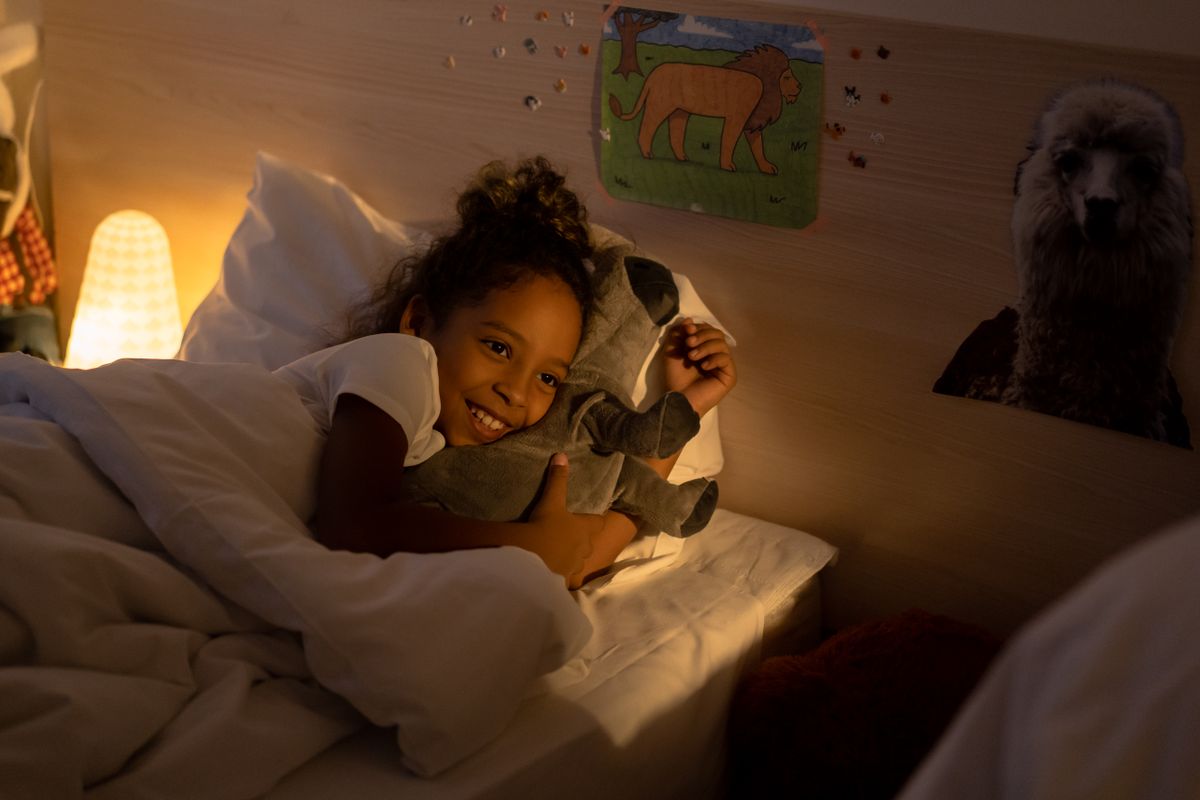
Absolutely. Plenty of adults keep, collect and sleep beside soft toys. Some enjoy the nostalgia. Some love the design. Others find the physical act of cuddling something soft comforting when they feel stressed, lonely or overwhelmed.
Adulthood comes with enough pressure already. There is no prize for making your bedroom less comforting just to appear serious.
Your plushie might remind you of someone you love, help an unfamiliar room feel safer or simply give your arms somewhere comfortable to rest. None of that needs to be embarrassing.
A little reminder: choosing healthy comfort is a strength, not a failure to “grow up”. Cute things and emotional maturity are perfectly capable of sharing the same bed.
Our favourite Kawaiies styles for maximum cuddles
For bedtime comfort, we naturally love plushies with plenty of length and squish. Our Long Snuggle Buddy collection is made for wrapping your arms and legs around when you want to melt into bed after a tiring day.
For an even bigger cuddle, explore our Huge Sleeping Buddies. These super-sized plushie pillows are designed for cuddling, resting and making your cosy corner feel instantly more inviting.
Prefer choosing by personality rather than shape? Browse the wider Kawaiies plushie collection and find the face that makes you smile first.
Frequently asked questions
What is the best plushie size for anxiety?
It depends on how you plan to use it. Small plushies are easy to carry, while long and oversized plushies are better for full-body cuddles and bedtime comfort.
Can adults use plushies as comfort objects?
Yes. Adults commonly use plushies for comfort, nostalgia, sensory soothing, bedroom décor and sleep. There is no age limit on enjoying something soft and reassuring.
Are weighted plushies better for anxiety?
Some people enjoy the gentle pressure of a weighted plushie, while others prefer a lighter and squishier design. Weighted products require extra attention to age guidance, weight and safety instructions, especially for children or anyone with mobility, breathing or circulation concerns.
Can a plushie replace therapy or anxiety medication?
No. A plushie can be a comforting part of a wider self-care routine, but it is not a replacement for advice, diagnosis or treatment from a qualified health professional.
How can I make a plushie part of my bedtime routine?
Keep it on your bed, cuddle it while taking a few slow breaths, dim the lights and repeat the same relaxing steps each evening. Consistency can help the routine feel familiar and reassuring.
Wellbeing note: This article is for general educational purposes only and is not medical advice. Plushies may offer comfort, but they do not diagnose, treat or cure anxiety. Speak with a qualified healthcare professional if anxiety is persistent, severe or affecting daily life. Seek urgent local help if you or someone else may be in immediate danger.